Mitigating Business Risk with HR Analytics You Can Act On
Updated: Feb 4

Most organisations already collect more people data than they can use. Hiring funnels sit in one system, daily time and leave in another, payroll adjustments in a third, and performance notes in files that are hard to compare. Each team filters, copies, and pastes what it needs, which creates multiple versions of truth. Definitions vary, spreadsheets break, and the same metric is calculated differently by different people. By the time reports align, the moment to act has passed.
A better pattern brings signals together, then keeps them consistent. Hiring conversions, attendance exceptions, leave patterns, appraisal outcomes, and learning progress should line up without translation, so trends are visible early and decisions can be tested quickly. When people look at the same definitions, and can drill down to roles, locations, and cohorts, conversations move from arguing about numbers to planning what to do next.
From scattered reports to governed insight
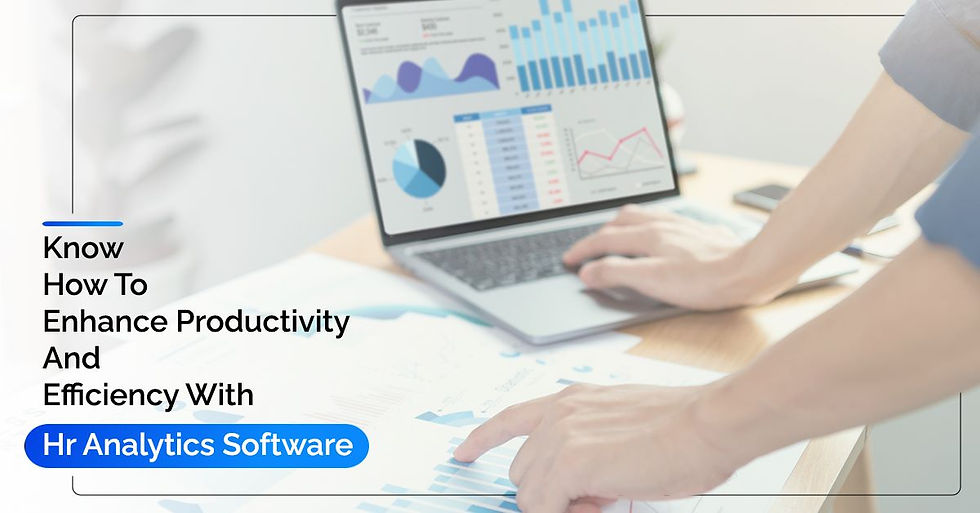
Wallet HR’s HR Analytics (link: hr-analytics page) creates that shared view by pulling governed data from the rest of the suite into one workspace. Recruitment (link: recruitment page) clarifies source quality and cost to hire; Attendance (link: attendance-management page) and Leave (link: leave-management page) expose patterns that point to time theft, burnout, or disengagement; Payroll (link: payroll-management page) highlights anomalies before they become disputes; and inputs from Performance Appraisal (link: performance-appraisal page) and Learning & Development (link: learning-and-development page) tie development to outcomes rather than activity. Because the model is consistent, leadership and audit packs can be generated without rebuilding metrics every month.
Governance is what turns dashboards into decisions. Standard metric definitions keep teams aligned. Access controls protect sensitive fields while still letting leaders see enough to act. Drill downs make it easy to compare like for like, so a plant is not judged against a head office, and a night shift is not compared to a day shift. Alerts and watchlists move the rhythm from retrospective to proactive, so risks surface when there is time to intervene, not only when a monthly report is prepared.
The benefits are practical. Hiring teams can rebalance sourcing before costs spike. Operations can address pockets of absenteeism before service levels drop. HR can correlate overtime with leave behaviour to spot fatigue, then act before it becomes a safety or retention problem. Because Attendance, Leave, Payroll, Performance, and Learning speak the same language, leaders can test a decision, watch how it plays out, and adjust without waiting for another quarter.
India-first requirements fit into the same flow. Audit trails record who changed what, when, and why. When analytics informs corrective action in modules that handle statutory items such as PF, ESI, TDS, and professional tax, the evidence is captured where it matters and is ready for scrutiny. That reduces rework for HR, creates confidence for finance and compliance teams, and makes board conversations more decisive.
Over time, the operating rhythm becomes calmer. Less time is spent wrangling spreadsheets, more time is spent solving the problems they describe. Risks are caught earlier across the employee lifecycle, workforce plans are based on facts rather than instinct, and leaders trust that the same definitions apply across departments and locations. Evidence earns trust when it is timely, consistent, and easy to interrogate. If that is the standard you want to set, we can help you get there.
Highlight:
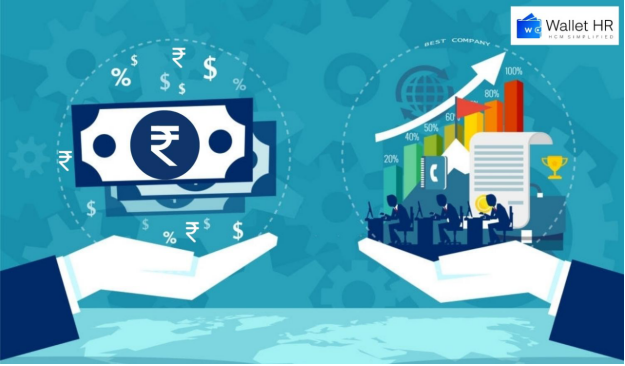
Risk drops when everyone sees the same truth. Wallet HR brings hiring, time, pay, performance, and learning into a governed analytics workspace, with consistent definitions and drill down, so teams act early, audits are simpler, and decisions hold up under scrutiny.